
V2X, AI, and FHWA's Big Tech Showcase
DOT Tech News
September 21, 2026 · Transportation Technology Briefing
Good morning, DOT tech nerds and professionals. This week we're looking at Chattanooga's push to move connected vehicle tech out of the pilot phase and into the real world, plus a first look at FHWA's inaugural Road Safety Innovation Expo, where more than 40 emerging technologies got their moment in front of federal decision-makers. Lots to dig into.
In this week's DOT Tech News:
- Chattanooga Connect Puts V2X, AI, and Quantum Tech on the Path From Pilot to Deployment
- FHWA's First Road Safety Expo Puts Emerging Tech in Front of Decision-Makers
- FHWA's First Road Safety Expo Puts Emerging Infrastructure Tech in Front of Decision-Makers
- FHWA's First Road Safety Innovation Expo Puts 40+ Emerging Technologies on Display
- FHWA's First Road Safety Expo Puts 40+ Emerging Technologies in Front of Federal Decision-Makers
- FHWA's First Road Safety Innovation Expo Puts Emerging Traffic Tech on Display
- FHWA's First Road Safety Innovation Expo Puts 40+ Emerging Technologies on Display
Chattanooga Connect Puts V2X, AI, and Quantum Tech on the Path From Pilot to Deployment

The U.S. DOT sent senior leadership to Chattanooga this month as the city's annual Chattanooga Connect conference brought together government, research, and industry to tackle the hardest problem in transportation innovation: scaling what works.
The University of Tennessee at Chattanooga Research Institute hosted the three-day event September 14–16, drawing conversations around connected and automated vehicles, V2X communication, AI, quantum technologies, and digital infrastructure. USDOT Principal Deputy Assistant Secretary for Research and Technology Michael Halem delivered the keynote, and SMART Grants Program Director Stan Caldwell joined a panel focused specifically on moving pilots into full deployment — a signal of how seriously federal partners view Chattanooga's innovation ecosystem.
Chattanooga received a $2 million Stage 1 SMART grant in 2024 to plan and prototype connected roadway technologies. That project funded live demonstrations of autonomous vehicle, V2X, and intersection-safety systems on September 16. Chattanooga Mayor Tim Kelly and CARTA CEO Charles D. Frazier joined a panel on scaling autonomous mobility into public transit service, discussing public acceptance, implementation obstacles, and real-world lessons learned.
Quantum computing also entered the transportation conversation, with UTC Quantum Center Director Rick Mukherjee discussing its near-future impact on mobility systems — a topic DOT agencies and their tech vendors should track closely as EPB's fiber network makes Chattanooga a rare real-world testbed.
Why it matters: DOT agencies evaluating V2X, AV deployment, or SMART grant opportunities can treat Chattanooga as a live case study — and vendors building in those spaces should be paying attention to who showed up and what got demonstrated.
Source: Department of Transportation
FHWA's First Road Safety Expo Puts Emerging Tech in Front of Decision-Makers

The Federal Highway Administration hosted its inaugural Road Safety Innovation Expo in Washington last Friday, bringing together more than 40 exhibitors showcasing technologies designed to cut fatalities on American roads.
The expo covered a wide spectrum of solutions — from solar-powered lane markings and sequentially blinking connected cones to pedestrian protection systems and redesigned crash-resistant car seats. Federal Highway Administrator Sean McMaster highlighted nighttime visibility tech as a standout, pointing to infrastructure that actively guides drivers in low-light conditions. A traveling work zone memorial anchored the entrance, honoring the thousands of workers killed on American roads each year.
McMaster framed the event around a stark number: more than 36,000 people die on U.S. roads annually. He acknowledged the long-term downward trend but held firm that the only acceptable fatality count is zero. Exhibits spanned both deployed technologies and those still in development, including AI-integrated monitoring systems and crash test innovations that agencies can track for future procurement consideration.
McMaster pushed back on the idea that better tech alone solves the problem — human error remains the leading cause of crashes, and he called on every road user to take responsibility now rather than wait for new infrastructure to arrive.
Why it matters: DOT agencies evaluating safety infrastructure investments and vendors building road tech products now have a clearer picture of what FHWA is actively promoting — and where federal attention and future funding are likely to flow.
Source: Department of Transportation
FHWA's First Road Safety Expo Puts Emerging Infrastructure Tech in Front of Decision-Makers

The Federal Highway Administration staged its inaugural Road Safety Innovation Expo in Washington, gathering more than 40 exhibitors to demonstrate technologies aimed at driving U.S. traffic fatalities to zero.
The expo showcased a wide range of solutions — from solar-powered lane markings and sequentially blinking connected cones to pedestrian protection systems and next-generation crash-resistant car seats. Federal Highway Administrator Sean McMaster highlighted nighttime visibility technology as a standout, pointing to lit, networked traffic cones as an example of infrastructure that actively reduces driver error rather than waiting for drivers to self-correct.
More than 36,000 people die on American roads each year. McMaster acknowledged steady progress on that number but drew a hard line: zero fatalities is the only acceptable target. A traveling work zone memorial at the expo's entrance underscored that urgency — honoring thousands of road workers killed on the job, a population DOT agencies directly manage and protect.
The expo also featured AI monitoring displays and crash test technology representing both deployed systems and solutions still in the pipeline. McMaster was direct — human error drives most crashes, and infrastructure investment must move faster than behavioral change alone.
Why it matters: DOT agencies evaluating safety infrastructure investments and vendors developing connected roadway or worker-protection technologies now have a clearer picture of where FHWA is directing its attention and funding priorities.
Source: U.S. Department of Transportation
FHWA's First Road Safety Innovation Expo Puts 40+ Emerging Technologies on Display

The Federal Highway Administration staged its inaugural Road Safety Innovation Expo in Washington, bringing together more than 40 exhibitors showcasing technologies designed to cut fatalities and injuries on America's roads.
The expo covered ground from solar-powered lane markings and sequentially blinking connected cones to VR headsets, AI monitoring systems, and redesigned crash-resistant car seats. Federal Highway Administrator Sean McMaster called out nighttime visibility tech as a standout, highlighting how illuminated infrastructure can keep drowsy or distracted drivers on course. A traveling work zone memorial at the entrance grounded the event in its human stakes.
The numbers driving the expo are stark. More than 36,000 people die on U.S. roads each year. McMaster acknowledged that figure reflects decades of gradual progress but held firm that the only acceptable target is zero. Exhibits spanned both deployed technologies and those still moving through development pipelines, giving attendees a view across the full innovation spectrum.
McMaster was direct that technology alone won't close the gap — human error remains the dominant cause of crashes, and agencies can't wait for perfect solutions to act. Crash test dummies and AI dashboards shared floor space as reminders that saving lives requires both hardware and behavior change.
Why it matters: For DOT agencies and their technology vendors, the expo signals that FHWA is actively scouting and elevating road safety solutions — making it a critical venue for understanding where federal procurement interest and infrastructure investment are headed.
Source: Department of Transportation
FHWA's First Road Safety Expo Puts 40+ Emerging Technologies in Front of Federal Decision-Makers
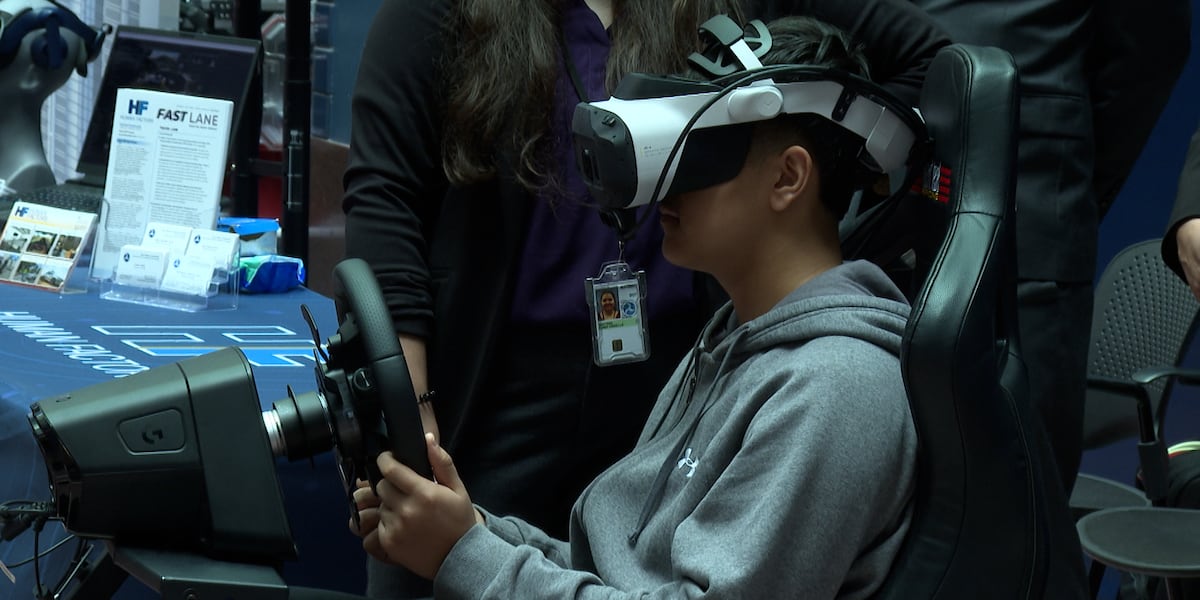
The Federal Highway Administration hosted its inaugural Road Safety Innovation Expo in Washington last Friday, giving agency leaders and vendors a live look at more than 40 technologies designed to cut fatalities on American roads.
Federal Highway Administrator Sean McMaster anchored the event around a sobering stat: over 36,000 people die on U.S. roads every year. Exhibits ranged from solar-powered lane markings and sequenced lighted cones to pedestrian crossing protection systems and crash-resistant car seat designs. A traveling work zone memorial at the entrance honored the thousands of road workers killed on the job.
McMaster called out driver alertness technology as a standout — specifically infrastructure-integrated lighting systems that help drivers stay oriented in low-visibility conditions after dark. He also acknowledged AI-driven safety tools on display, noting that some remain in development while others are already deployable on existing road networks.
McMaster made clear that infrastructure upgrades alone won't hit zero fatalities — human error remains the leading cause of crashes, and he called on all road users to take an active role in safety.
Why it matters: DOT agencies evaluating safety tech vendors now have a direct signal from FHWA leadership on which innovation categories — smart infrastructure, alertness systems, and work zone protection — are drawing the most federal attention heading into the next procurement cycle.
Source: Department of Transportation
FHWA's First Road Safety Innovation Expo Puts Emerging Traffic Tech on Display

The Federal Highway Administration hosted its inaugural Road Safety Innovation Expo in Washington, bringing together more than 40 exhibitors showcasing technologies designed to cut fatalities on American roads.
The expo featured a wide range of live demonstrations — from solar-powered lane markings and sequentially blinking connected cones to pedestrian protection systems and next-generation crash-resistant car seats. Federal Highway Administrator Sean McMaster highlighted nighttime visibility tools as a standout category, underscoring FHWA's focus on infrastructure-level interventions that don't rely on driver behavior alone.
The event opened with a sobering note: a traveling memorial honoring the thousands of road workers killed on the job. McMaster cited the current toll of more than 36,000 annual road fatalities as unacceptable and framed the expo as both a showcase and a call to action. Exhibits spanned deployed technologies and those still in development, including AI-assisted monitoring systems demonstrated on live screens.
McMaster was direct about one gap no technology can fully close — human error remains the leading cause of crashes, and infrastructure upgrades alone won't get fatalities to zero. That message carries weight as DOT agencies evaluate vendor pitches: solutions that change road conditions matter, but so does the behavioral layer on top.
Why it matters: DOT technology buyers and their vendors now have a clearer picture of where FHWA is directing attention — connected infrastructure, nighttime visibility, and work zone safety are active investment areas worth tracking.
Source: Department of Transportation
FHWA's First Road Safety Innovation Expo Puts 40+ Emerging Technologies on Display

The Federal Highway Administration staged its inaugural Road Safety Innovation Expo in Washington, gathering more than 40 exhibitors showcasing technologies designed to cut fatalities on American roads.
The expo featured a range of solutions across the safety spectrum — from solar-powered lane markings and sequentially blinking connected cones to pedestrian protection systems and redesigned crash-resistant car seats. Federal Highway Administrator Sean McMaster highlighted nighttime visibility tech as a standout, pointing to infrastructure that keeps drivers alert in low-light conditions. A traveling work zone memorial at the entrance honored the thousands of road workers killed on the job.
McMaster cited the 36,000 Americans killed annually on roadways as the driving force behind the event, while acknowledging that number reflects years of gradual improvement. FHWA used the expo to bridge the gap between technologies already deployed on road networks and those still in development — including AI-assisted systems demonstrated on live displays. McMaster made clear the target is zero fatalities, not incremental progress.
Human error remains the top cause of road deaths, and McMaster pushed back on the idea that agencies and drivers should simply wait for technology to solve the problem. Infrastructure investment alone won't close the gap — behavioral change and broad stakeholder participation remain critical complements to any tech deployment.
Why it matters: DOT agencies evaluating safety infrastructure investments now have a clearer picture of what FHWA is actively promoting — from connected work zone equipment to AI monitoring tools — signaling where federal priorities and future procurement dollars may flow.
Source: Department of Transportation
Sponsored by Sourcetoad: Custom software and AI solutions for the AEC Industry.
Add a comment: