
Camera Enforcement Works. ADAS Just Got a Bar.
DOT Tech News
May 11, 2026 · Transportation Technology Briefing
Good morning, DOT tech nerds and professionals. This week we have a Colorado success story that put real numbers behind camera-based lane enforcement, and a milestone from NHTSA that changes what "safe" means for driver assistance systems. Short read, big implications for anyone building or buying transportation tech right now.
In this week's DOT Tech News:
- Colorado DOT's Camera-Based Express Lane Enforcement Cuts Violations 90%, Now Expanding North of Denver
- 2026 Tesla Model Y Becomes First Vehicle to Pass NHTSA's New ADAS Safety Benchmarks
Colorado DOT's Camera-Based Express Lane Enforcement Cuts Violations 90%, Now Expanding North of Denver

Colorado DOT activated automated fine enforcement on the I-25 North corridor between Berthoud and Fort Collins on May 8, using roadside sensors and cameras to catch drivers illegally crossing solid express lane lines.
CDOT installed the detection infrastructure as part of its Express Lanes Safety and Toll Enforcement Program, managed by the Colorado Transportation Investment Office. The system flags vehicles that enter or exit express lanes outside designated dashed-line zones. Violators receive a $75 fine by mail — tied to the vehicle's registered address — which doubles to $150 if unpaid within 20 days.
The technology is already proven. A 30-day grace period on this corridor generated 3,504 warnings before enforcement began, and CDOT reports that corridors already under enforcement saw violations drop over 90%. The program launched in 2023 and currently covers six corridors, including I-70, C-470, and sections of I-25 south of Denver, with statewide expansion planned.
Drivers can pay fines at ExpressLaneSafety.com or by calling 1-800-343-2633.
Why it matters: Automated roadside enforcement is a replicable model — DOT agencies and their technology vendors should watch how CDOT's sensor-and-camera stack performs at scale as states look for cost-effective ways to enforce managed lane compliance without adding personnel.
Source: Colorado Department of Transportation
2026 Tesla Model Y Becomes First Vehicle to Pass NHTSA's New ADAS Safety Benchmarks
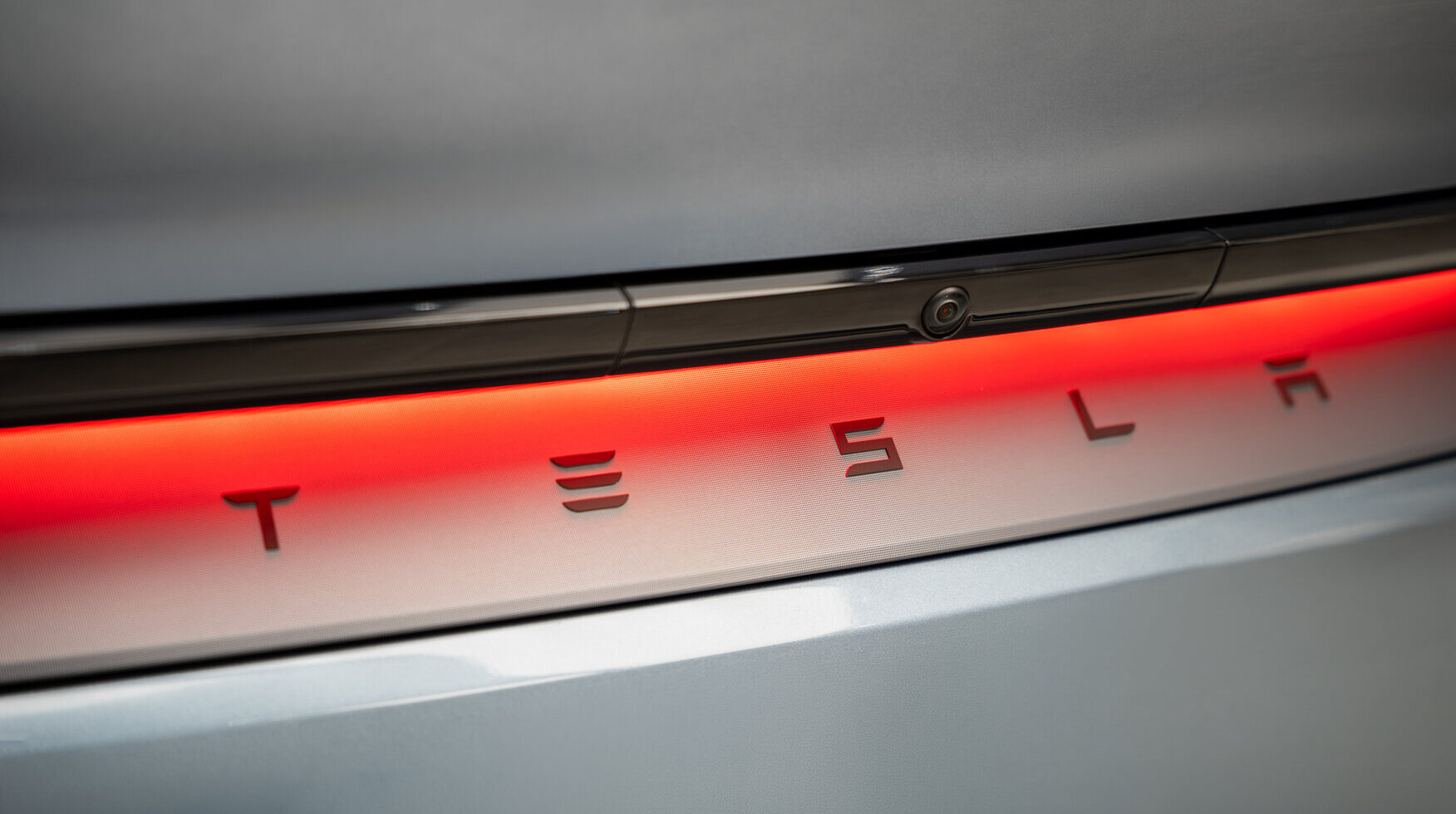
NHTSA just raised the bar for advanced driver assistance systems, and Tesla cleared it first.
The 2026 Tesla Model Y is the first vehicle to pass all four of NHTSA's new ADAS pass/fail evaluations under the agency's New Car Assessment Program (NCAP). Vehicles manufactured on or after November 12, 2025 successfully met criteria for pedestrian automatic emergency braking, lane-keeping assistance, blind-spot warning, and blind-spot intervention.
NHTSA added these pass/fail tests to NCAP specifically to give consumers clearer, more actionable information about how driver-assistance technologies actually perform — not just whether a vehicle has them. Administrator Jonathan Morrison called the announcement "a significant step forward" and challenged other manufacturers to match the standard.
These benchmarks don't just pressure automakers. They signal to DOT agencies and their technology vendors what "good" looks like for ADAS going forward. States and transit authorities evaluating connected or automated vehicle deployments now have a federal reference point for minimum ADAS performance expectations.
Why it matters: DOT agencies procuring or regulating vehicles with ADAS features — and vendors building systems that interact with them — should treat NHTSA's new NCAP criteria as the emerging compliance floor, not a ceiling.
Source: Department of Transportation
Sponsored by Sourcetoad: Custom software and AI solutions for the AEC Industry.
Add a comment: